Why You Should Rinse Canned Beans Before Using Them
Canned beans are a common pantry staple in many households across the United States. Their convenience allows for quick meal preparation, whether for a hearty soup, a fresh salad, or a creamy dip. However, the liquid that surrounds the beans inside the can is not always ideal for every dish. This liquid typically contains added salt and starches that can affect both the flavor and texture of the final recipe. Rinsing canned beans before use is a simple step that can help manage these factors, allowing for greater control over the dish being prepared.
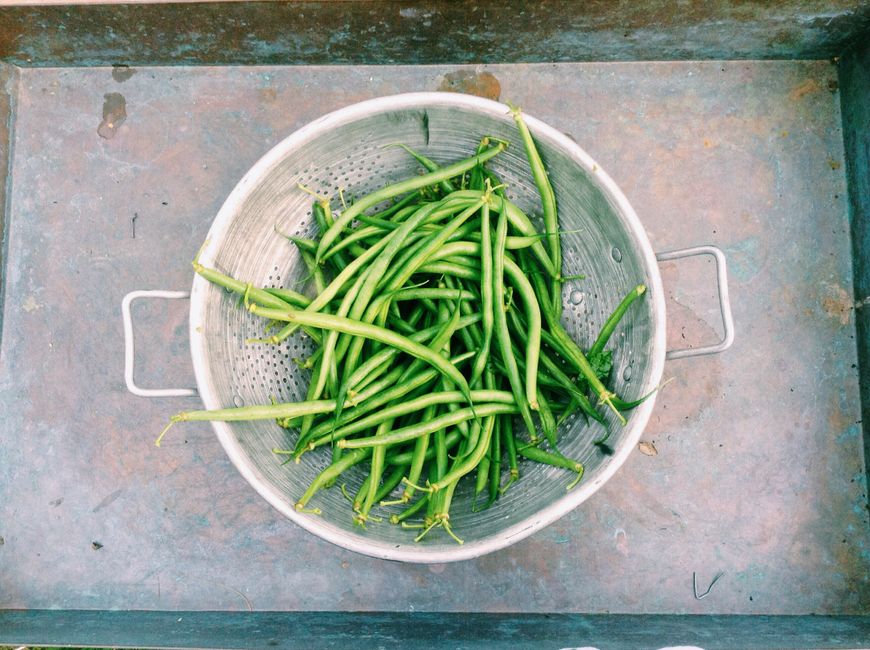
The practice of rinsing canned beans involves emptying the contents into a colander and running cool water over them for a brief period. This process removes a significant portion of the sodium and starch that accumulates during canning. For individuals who are mindful of their sodium intake or who wish to achieve a firmer bean texture, rinsing can be a useful technique. The following sections explore the specific reasons why rinsing is often recommended, focusing on sodium reduction, texture improvement, and overall recipe adaptability.
Sodium Reduction Through Rinsing
Canned beans are typically preserved in a brine solution that contains varying amounts of salt. This brine helps maintain the beans’ structure during storage but can contribute a noticeable saltiness to dishes. When a recipe calls for additional seasoning, the salt from the beans may lead to an overly salty final product. Rinsing canned beans under cold water for about thirty seconds to one minute can reduce the sodium content by up to 40 percent, depending on the brand and the duration of rinsing. This reduction allows cooks to adjust salt levels more precisely according to their own preferences or dietary needs.
The amount of sodium removed is influenced by factors such as the initial salt concentration in the can and the thoroughness of the rinsing process. Studies and food science observations indicate that a simple rinse is effective at lowering sodium without requiring any special equipment. For those following a low-sodium diet, rinsing becomes a practical method to incorporate canned beans while still maintaining reasonable sodium limits. It is important to note that rinsing does not eliminate sodium entirely, and the remaining amount should be considered when planning meals.
Texture and Consistency in Dishes
The liquid in canned beans contains starches that have been released from the beans during the canning process. This starchy liquid can affect the texture of certain dishes. For example, in cold salads, the viscous liquid may cause the beans to feel slimy or contribute to a cloudy dressing. In dips such as hummus or bean purées, the starch can alter the consistency, making the final product thinner or gummier than desired. Rinsing removes most of this starch, leaving the beans with a firmer, cleaner texture that integrates more seamlessly into a variety of recipes.
When beans are used in soups or stews, the starch from the canning liquid can also influence the broth’s thickness. Some recipes benefit from this natural thickening effect, but in many cases, cooks prefer to control the consistency separately using other ingredients. By rinsing the beans, the cook gains greater control over the final texture of the dish. Additionally, rinsing helps the beans hold their shape better during prolonged cooking, as the absence of excess starch reduces the likelihood of them breaking down into mush.
Flavor Control and Seasoning Balance
The flavor profile of canned beans is partly shaped by the brine they are packed in. This brine often contains salt, but it may also include calcium chloride or other preservatives that impart a metallic or slightly bitter aftertaste. Rinsing helps wash away these compounds, resulting in a more neutral bean flavor. With a neutral base, the cook can build the desired seasoning profile from scratch, using herbs, spices, and other aromatics without interference from the canning liquid.
For recipes that rely on delicate flavors, such as light vinaigrettes or fresh herb dressings, the presence of salty brine can dominate and unbalance the dish. Rinsing provides a blank canvas, allowing the other ingredients to shine. It also enables more accurate salt measurement, which is especially important in baking or when following specific nutritional guidelines. While some dishes, such as certain chili recipes, intentionally use the canning liquid for added body or saltiness, rinsing remains a flexible option for those who wish to avoid those effects.
Practical Steps for Rinsing Canned Beans
The process of rinsing canned beans is straightforward and requires minimal equipment. First, open the can using a can opener. Then, pour the entire contents into a colander placed in the sink. Allow the liquid to drain completely. Next, run cool tap water over the beans, gently shaking the colander or stirring the beans with your hand to ensure even coverage. Continue rinsing for approximately thirty seconds to a minute, depending on the amount of beans. Finally, let the beans drain for a few seconds before transferring them to a bowl or directly into the recipe.
No special tools are needed beyond a standard colander, though a mesh strainer works equally well for smaller quantities. For those who prefer to save the canning liquid for other uses, such as in vegan baking as aquafaba, the liquid can be collected separately before rinsing. This approach allows for maximum flexibility, preserving the option to use the liquid when desired while still being able to rinse the beans for other applications. The entire rinsing process adds only a minute or two to preparation time, making it a quick and convenient step.
When the Canning Liquid May Be Useful
There are certain culinary contexts where the canning liquid from beans is intentionally retained. The starchy, salty brine can contribute to the texture and flavor of recipes such as hearty stews, bean soups, or braised dishes where a thicker consistency is welcome. Additionally, aquafaba—the liquid from canned chickpeas—has gained popularity as a substitute for egg whites in meringues, mousses, and other baked goods. For these specific uses, rinsing would be counterproductive.
Understanding when to rinse versus when to keep the liquid depends on the desired outcome of the recipe. Cooks may choose to rinse beans for cold salads, dips, and side dishes where a clean flavor and firm texture are preferred. In contrast, for dishes that benefit from extra starch or a pre-seasoned background, the liquid can be incorporated. This flexibility highlights the importance of considering each recipe individually. The decision to rinse or not rinse is a matter of technique rather than a strict rule, allowing cooks to adapt based on their specific needs.
In summary, rinsing canned beans is a practice that offers practical benefits for sodium management, texture optimization, and flavor control. While not necessary for every preparation, it provides an additional degree of customization that can enhance many recipes. By understanding the effects of the canning liquid and the simple steps involved in rinsing, cooks can make informed choices that align with their culinary goals.