How to Choose the Best Tomatoes for Your Pasta Sauce
The foundation of a rich homemade pasta sauce begins with the tomatoes selected for the recipe. While dried herbs, garlic, and olive oil contribute important layers of flavor, the choice of tomato determines the sauce’s body, sweetness, and acidity. Many home cooks and professional chefs alike emphasize that the quality of the raw ingredient sets the stage for the final dish. Understanding which tomatoes to look for at the market and how to assess their readiness for cooking can make the process more straightforward and rewarding.
Different markets offer various tomato types throughout the year, and each variety carries distinct characteristics that influence sauce texture and taste. Some tomatoes are bred for firmness and long shelf life, while others are prized for their intense flavor and low water content. By learning a few key indicators of ripeness and knowing when to use fresh versus canned tomatoes, anyone can improve the quality of their sauce without added effort.
This article explores the factors that matter most when sourcing tomatoes for pasta sauce. Rather than offering strict instructions, it outlines considerations that can help guide individual choices based on availability, preference, and cooking style. From field to pot, each step offers an opportunity to tailor the sauce to the desired outcome.
Understanding Tomato Varieties for Sauce Making
The type of tomato selected has a direct impact on the consistency and flavor of the sauce. Plum tomatoes, such as Roma and San Marzano, are widely favored for cooking because of their dense flesh, fewer seeds, and lower water content. These traits allow the sauce to thicken more readily and concentrate flavor during simmering. San Marzano tomatoes, grown in a specific region of Italy, are often noted for their balanced sweetness and low acidity, though many domestic plum varieties offer similar qualities.
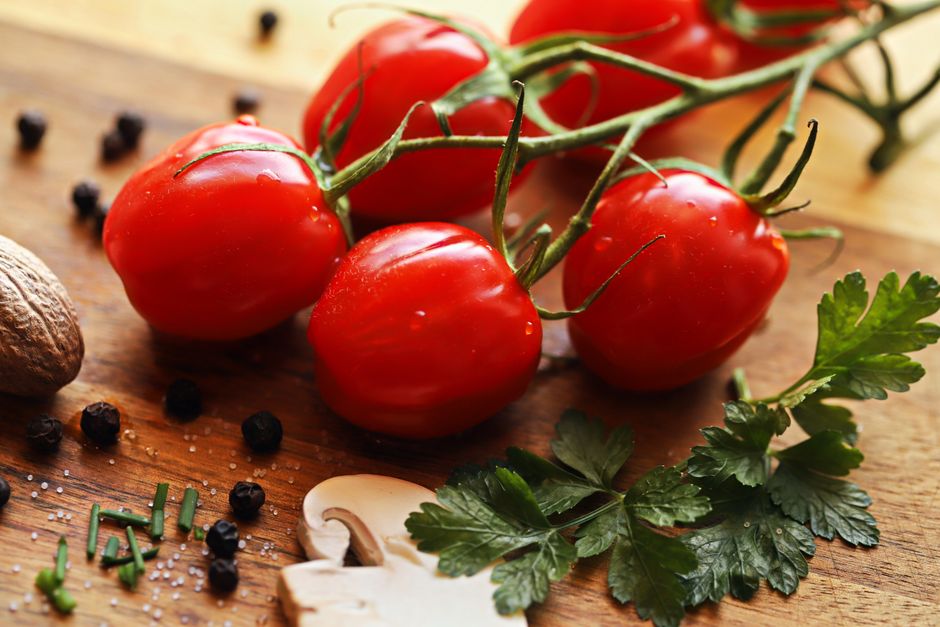
Round slicing tomatoes, sometimes called beefsteak or globe tomatoes, contain more juice and seeds. While they can be used for sauce, they require longer cooking to reduce excess liquid and may result in a thinner final product. Cherry and grape tomatoes, on the other hand, have a high sugar-to-acid ratio and can add unexpected sweetness when roasted or crushed into a sauce. Each variety brings a different profile, and blending types can create a more complex taste.
When shopping at a farmers’ market or grocery store, it helps to know which varieties are labeled specifically for cooking. Many stands identify their best sauce tomatoes, and regional heirloom varieties can offer unique flavors not found in commercial hybrids. Experimenting with different types over multiple batches allows a cook to discover personal preferences without committing to a single variety.
Indicators of Ripeness and Flavor
Ripeness is a critical factor that affects both the sweetness and texture of tomatoes used in sauce. A fully ripe tomato will yield slightly to gentle pressure without feeling mushy. The skin should be smooth and uniformly colored, whether red, orange, or yellow depending on the variety. Green shoulders or patches near the stem often indicate under-ripeness, which can contribute a harsh or grassy note to the sauce.
Color alone is not a foolproof indicator, as some tomatoes remain green when ripe, but for standard red varieties, a deep, even red suggests high sugar development. The aroma at the stem end is another useful clue: a strong, sweet, earthy scent is typical of tomatoes that have ripened on the vine. Tomatoes that lack fragrance may have been picked early and will not develop the same depth of flavor, even if left to ripen on a counter.
Weight relative to size also matters. A tomato that feels heavy for its size tends to be juicier, while a lighter one may have a mealy or dry interior. For sauce, a balance between juiciness and flesh density is desirable. If the tomato feels overly soft or has cracks in the skin, it may be overripe and risk introducing fermented flavors. Observing these physical cues helps in selecting fruit that is at its peak for cooking.
Sourcing and Seasonality Considerations
Fresh tomatoes are at their best during the local growing season, which in most parts of the United States runs from mid-summer through early fall. During this window, farmers’ markets and roadside stands offer the widest selection of vine-ripened fruit. Tomatoes harvested at peak ripeness and brought directly to market within a day or two provide the highest concentration of flavor for sauce. Outside of this season, imported or hothouse tomatoes may be available but often lack the same depth.
Canned tomatoes are a reliable alternative when fresh options are limited or out of season. Many professional cooks prefer whole peeled canned tomatoes, often imported from regions like the San Marzano area, because they are picked and processed at peak ripeness. The canning process preserves the fruit’s flavor and acidity, making these products a practical choice year-round. It is worth reading labels to check for added ingredients such as citric acid, calcium chloride, or salt, which can affect the final taste and texture of the sauce.
Local growers sometimes offer seconds or canning-grade tomatoes at reduced prices. These are typically fully ripe fruit that may have minor blemishes or irregular shapes, but their flavor is identical to first-quality tomatoes. Purchasing these tomatoes and processing them immediately is an economical approach for making large batches of sauce. Understanding the local harvest calendar and building relationships with growers can make sourcing easier and more predictable.
Preparing Tomatoes for Sauce
Once tomatoes are selected, preparation methods can influence the final consistency and flavor of the sauce. A common first step is to blanch the tomatoes in boiling water for thirty to sixty seconds, then transfer them to an ice bath. This loosens the skin, making it easy to peel. Removing the skin is optional but can result in a smoother sauce, as the skins may become tough or bitter during long cooking.
Seeds can also be removed if a finer texture is desired, though many cooks leave them in because they contain pectin that helps thicken the sauce. For a chunkier sauce, tomatoes may be chopped or crushed by hand. For a smoother consistency, a food mill or hand-cranked tomato press can separate pulp from seeds and skin in one step. Kitchen Craft offers a range of food mills and tomato presses that are designed for this purpose, though any similar tool can be used effectively.
After preparation, the tomatoes are ready for cooking. Some recipes call for a brief simmer to concentrate flavors, while others use a longer reduction to develop depth. The choice of cooking time depends on personal preference and the type of tomato used. A light touch is often recommended to avoid overcooking and losing the fresh tomato character.
Balancing Acidity and Sweetness Naturally
The natural acidity of tomatoes varies widely among varieties and ripeness levels. When tasting raw tomatoes, a bright, tangy note is typical, but an overly sharp acidity can dominate the sauce. This can be modulated through cooking rather than by adding sugar. Slow simmering allows some of the acidic compounds to mellow, and the addition of aromatic vegetables such as carrots or onions introduces natural sweetness without masking the tomato flavor.
Some cooks incorporate a small amount of butter or olive oil early in the cooking process, as fat can help round out acidic notes. The choice of herbs, such as basil or oregano, also interacts with the acidity to create a balanced profile. Testing the sauce at different stages of cooking provides a sense of how the flavors evolve. If the sauce still tastes overly tart after extended simmering, it may be that the tomatoes were picked too early or that a different variety would be better suited to the intended result.
Acidity levels can also be adjusted by blending multiple tomato types. For instance, adding a few sweet cherry tomatoes or roasted red peppers to a batch of plum tomatoes can shift the balance without relying on sugar. Understanding the range of flavors available in the market allows for informed choices during selection, reducing the need for corrective steps later.
Selecting the right tomatoes is a skill that develops with experience and observation. Each season offers new opportunities to refine one’s approach and to appreciate the subtle differences that varieties and growing conditions bring to the pot.
Storage and Handling of Fresh Tomatoes
Proper storage of fresh tomatoes helps maintain their quality until they are used. Tomatoes should be kept at room temperature, away from direct sunlight, and never refrigerated unless they are fully ripe and will not be used within a day or two. Refrigeration alters the texture and reduces flavor compounds, resulting in a mealy or bland tomato. If tomatoes were purchased slightly underripe, they can be left on the counter in a single layer to continue ripening.
Once ripe, tomatoes can be used immediately or stored for a few days. For longer storage, processing them into sauce and freezing or canning is an effective method. Freezing whole tomatoes is also possible: they can be washed, dried, placed in freezer bags, and used later for sauce after thawing. The cell structure breaks down during freezing, which actually simplifies crushing and cooking.
By managing storage conditions and timing the use of fresh tomatoes to coincide with their peak ripeness, the effort invested in selection is preserved. This attention to handling ensures that the flavor potential identified at the market is fully realized in the finished sauce. Whether cooking a small batch for a weeknight meal or preserving a larger quantity for future use, the principles of thoughtful selection and care remain consistent.